Our story
An Independent Break Calculator
CardBreakCalculator.com is an independent project built by a collector who got tired of guessing what a break spot was actually worth. Every calculator, checklist, and AI insight here exists because it was needed for a real bid first.
Live since July 2026, when it launched at The National.
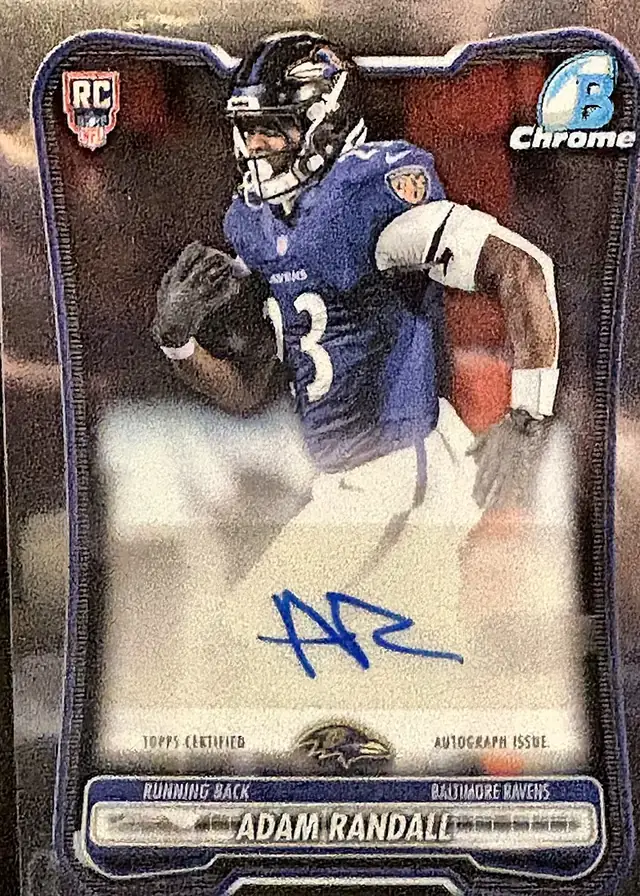
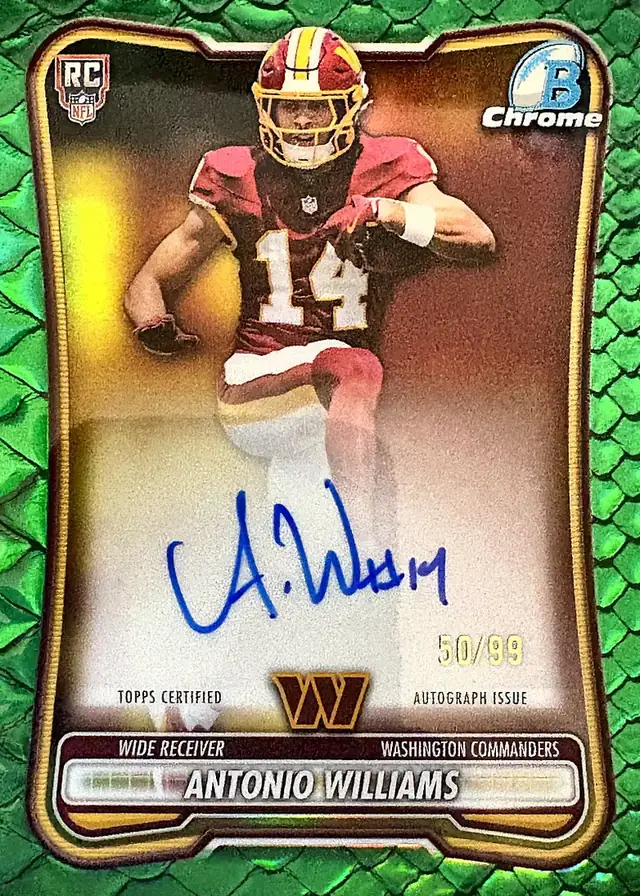
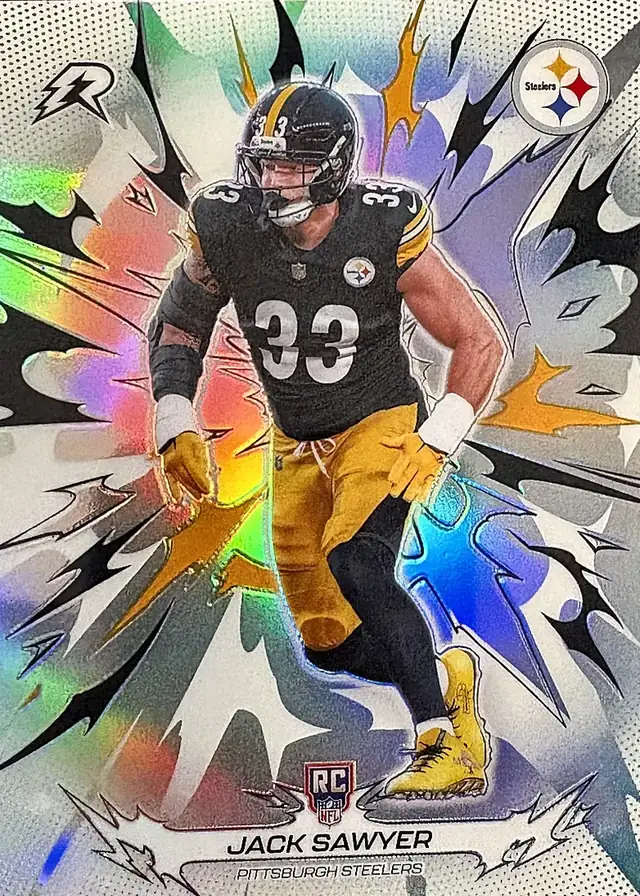
Break spots are priced by feel. They don't have to be.
In a random or pick-your-team break, the price of a spot and the value of what is actually in it for that team are two different numbers. Most of the time nobody calculates the second one, so the first one gets set by hype — a popular team costs more whether or not the checklist backs it up.
This site does that second calculation. It reads the full checklist for a product, works out how much of it each team holds, and uses that to split what the boxes cost across the spots — an allocation of the bill, not a forecast of what a box returns. You get team assignment odds and a max bid set by one dial you control. The main calculator does not predict what a box returns; the separate Sapphire overlay shows a modeled estimate, labelled as such. You still choose what to bid — you just do it knowing what the spot's share actually is.
How the numbers work
In plain hobby language, so you can decide for yourself whether to trust a figure before you act on it.
Checklist-weighted team values
Every team's share of a product comes from the actual checklist — which cards exist, which team they belong to, and how many of each. Not a hand-tuned multiplier or a gut feeling about how good a team is.
Real completed sales where coverage exists
For products we have pricing coverage on, card values come from completed auction sales rather than asking prices. Where a card has no reliable sale history, it falls back to a conservative baseline instead of being guessed upward.
Two pricing tiers, never blended
Where a product has completed-sales data, the calculator shows what share of its value is sales-backed and when that pricing was last refreshed. Where sales coverage does not exist yet, the card carries a flat placeholder for its category — a flat catalog figure rather than one scaled off the box price, because the old scaling was wrong by an order of magnitude — and it is never dressed up to look like a sale.
One dial you control on every max bid
The pool allocation (labelled Pool EV in earlier versions) is what the boxes cost, split across spots — not a forecast of what they return. So the max bid is your call, set by one dial: the share of box retail you are willing to pay (68% by default). At 100% your bid plus fees comes to the spot's whole share of what the boxes cost.
Net ROI, stated plainly
ROI here is net: 0% means you broke even, +25% means you got back a quarter more than you paid, and −25% means you lost a quarter of your money. Getting back less than you spent will never be shown as a positive number.
set checklists live
sports covered
Where the data stands today
Pricing coverage varies by set. Every calculator shows how much of its value is backed by completed sales and when that pricing was last updated, so a thin set looks thin instead of looking confident. The checklist library grows as sets are researched and seeded.
What We Stand For
The principles that guide everything built here
Data-Driven Decisions
Every number on a calculator traces back to a checklist row: card values come from completed sales where we have pricing coverage, and from a flat, deliberately conservative per-category placeholder where we do not. No guessing beyond that, and no rounding a placeholder up to look like a real sale.
Community First
Built by a collector, for collectors. This tool exists because overpaying for a spot and only realizing it afterwards is a genuinely bad feeling.
Transparency
The methodology is written down here, and calculators distinguish a completed-sales price from a placeholder rather than blending the two into one confident-looking number.
Built in the Open
The set library and pricing coverage grow week by week. What ships is what works today — anything still in progress is not advertised as done.
Questions, corrections, set requests
If a number looks wrong, tell us — that feedback is how the data gets better.
Run the numbers on your next break
Pick a product, pick a team, see how much of the break that spot holds before you bid.